Wari Empire burial site yields ancient Peruvian hairless dogs
Archaeologists have discovered 1,200-year-old mummified remains of Peruvian hairless dogs at a pre-Inca site in Peru, revealing their elite status and close dietary ties to humans.
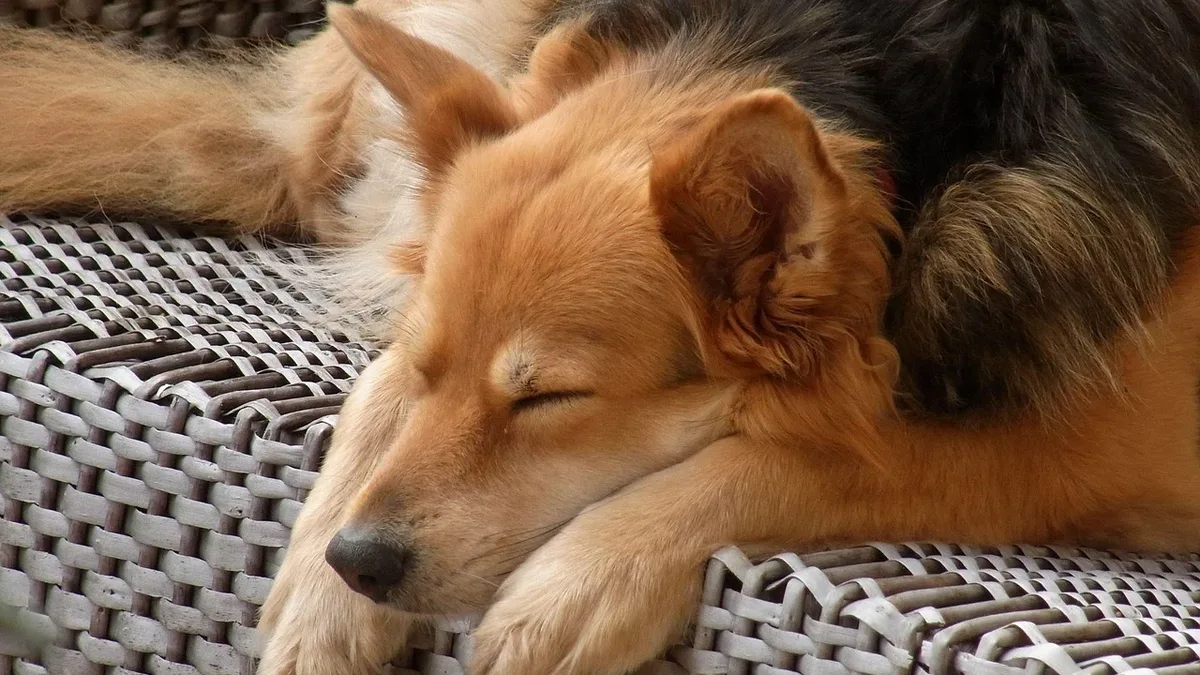
Archaeologists have uncovered the first physical evidence of Peruvian hairless dogs at an ancient Wari Empire burial site. The discovery at Castillo de Huarmey, located 190 miles north of Lima, includes a complete mummified male dog radiocarbon-dated to at least 1,200 years old, making it the oldest such specimen found there.
The site, a 110-acre administrative and burial center occupied between 600 and 1050 CE, yielded 341 dog bone specimens from at least 19 individuals. The arid environment preserved organic materials remarkably well. One mummified dog skull retained visible hairless skin and attached ears, colored with bright red cinnabar pigment. A second, larger skull was found with a naturally mummified skeleton buried in a shallow pit.
Traits and Treatment of the Dogs
Analysis showed all three examined dog skulls lacked their first premolars, a genetic trait directly linked to hairlessness. This confirmed the animals as members of the indigenous Peruvian hairless dog breed. Zooarchaeological techniques revealed these dogs received varied treatment. Some were buried with clear care in elite contexts. A puppy aged six to eight weeks was interred with a high-status individual known as the 'Master Basketmaker'. Another adult dog was buried within the site's palace.
Other remains were found discarded among refuse, indicating lower status. Only a small number of bones displayed butchery marks, suggesting the dogs were not commonly consumed as food. The distinct burial practices and physical traits point to a unique position for hairless dogs within Wari society, though whether they were cherished pets or had a utilitarian role remains unclear.
Diet and Human Connection
Isotopic analysis of carbon, nitrogen, oxygen, and strontium in the dogs' bones and teeth provided crucial dietary clues. The dogs shared a maize-based diet similar to the human population at Castillo de Huarmey. Hairless puppies showed diets that paralleled those of human children, while adult dogs had more varied food sources. This dietary similarity hints at intentional feeding and close integration into Wari households, suggesting a level of controlled care and breeding.
Cultural and Historical Context
The findings align with known ancient depictions of the breed on pottery. An unusual ceramic vessel recovered from the site portrays a seated Peruvian hairless dog with human-like features, holding an object resembling a musical instrument. The breed, recognized for its slender physique and pointed ears, was later designated part of Peru's cultural heritage in 2000.
Excavations between 2010 and 2025 also uncovered remains of South American camelids, likely domesticated llamas and alpacas, some possibly deposited as funerary offerings. The site suffered damage from a powerful earthquake in 1970 and subsequent looting, though deeper archaeological layers retained their original Wari context. The study was published in the Journal of Anthropological Archaeology. Its co-authors include researchers from Dartmouth College, the University of Warsaw, and the University of Pittsburgh, who conducted the isotopic and zooarchaeological analysis.