Animals Have Been Eating Nature's Original Bioplastic for Millions of Years
Researchers have discovered that dozens of animal species possess enzymes capable of breaking down microbial bioplastics called PHAs, a talent once thought to belong only to microorganisms.
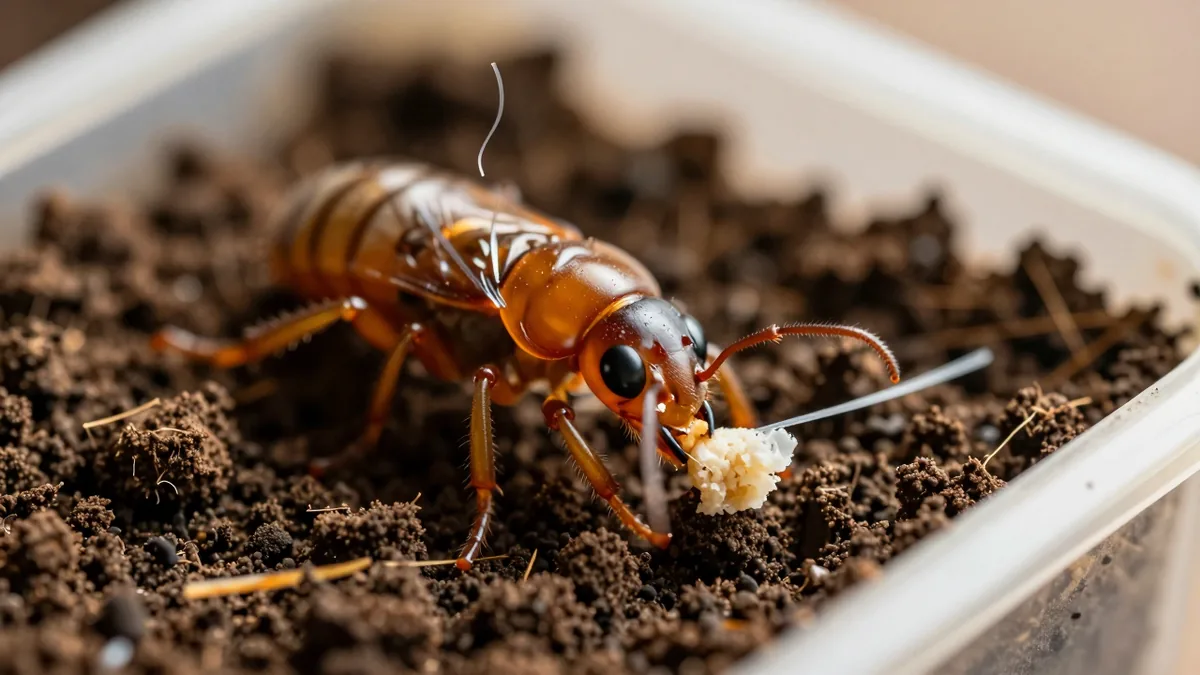
A new study has revealed that animals may have been quietly feasting on nature's original biodegradable plastic for hundreds of millions of years. The research, conducted by scientists at the Max Planck Institute for Marine Microbiology, found that a wide range of animals, including marine worms, starfish, earthworms, and other terrestrial species, possess enzymes that can degrade microbial PHAs.
The discovery began with an unusual marine worm called Olavius algarvensis, which has no mouth or gut. Instead, the worm depends on symbiotic bacteria that live beneath its skin, which it digests as a source of nutrition. The researchers found that one of the worm's bacterial symbionts stores enormous amounts of carbon as PHA, and that the worm has evolved a way to access this rich energy reserve.
The team identified an enzyme in the worm that can break microbial PHAs into smaller molecules that animals can use. High-resolution imaging also revealed that the enzyme is produced in the same location where the worm digests its bacterial partners. This finding indicates that the worm can tap into the PHA reserves stored inside its symbiotic bacteria.
The discovery did not stop with a single marine worm. When the team examined animal genomes more broadly, they found related enzymes in more than 66 species spanning nine different phyla. Laboratory tests showed that enzymes from very distantly related animals, including a sponge, an earthworm, and a springtail, could also degrade microbial PHAs.
PHA bioplastics are made by microorganisms and can also be broken down through biological processes. They are used in products such as food packaging and hygiene materials, and are notable for their biological circularity. However, they currently account for only a small share of the bioplastics market.
The new findings add another dimension to the picture of PHAs by showing that many aquatic and terrestrial animals also carry enzymes capable of breaking down PHAs. This suggests that animals may help degrade natural bioplastics alongside microorganisms, and that they can gain access to a microbial carbon reserve that scientists had previously considered unavailable to them.
The study changes our understanding of who can use these microbial carbon stores, and suggests that animals have probably been feeding on nature's original bioplastic for hundreds of millions of years.
A New Pathway in the Carbon Cycle
The discovery offers a new way to think about the relationships between microorganisms and animals. It also demonstrates how research on unusual organisms can expose biological processes that have remained hidden despite potentially operating for hundreds of millions of years.
PHA Bioplastics in the Environment
PHA bioplastics are found naturally in soils, sediments, and aquatic environments around the world. Microorganisms produce them when they have more carbon than they immediately need, storing that excess for later use. PHAs are also among the relatively few naturally occurring plastics that are completely biodegradable.
| PHA Bioplastics Properties | PHA Bioplastics Uses |
|---|---|
| Biodegradable | Food packaging |
| Bio-based | Hygiene materials |
| Molds well | Agriculture (fertilizers) |
| Resists water | Medical applications (wound dressings, drug delivery systems, resorbable implants or sutures) |
The findings from the study suggest that animals may help degrade natural bioplastics alongside microorganisms, and that they can gain access to a microbial carbon reserve that scientists had previously considered unavailable to them. This new pathway in the carbon cycle offers a new way to think about the relationships between microorganisms and animals.