American 'Cheetah' Was a Fish-Eating Puma Relative
Genomic research reveals the extinct 'American cheetah' was a close puma relative, not a true cheetah, with Arctic populations surviving on fish and a
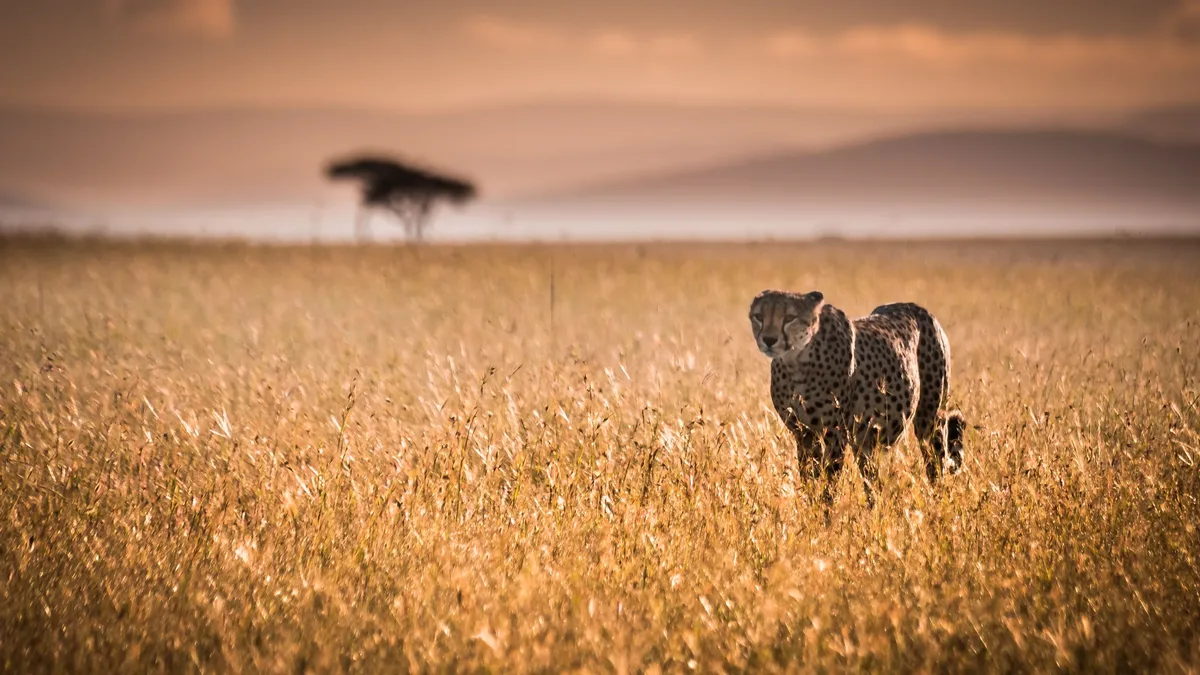
The extinct predator known as the American cheetah was not a cheetah. New it was a highly adaptable close relative of the puma. Fossils from the Yukon indicate northern populations of this cat relied heavily on fish to survive in Arctic environments.
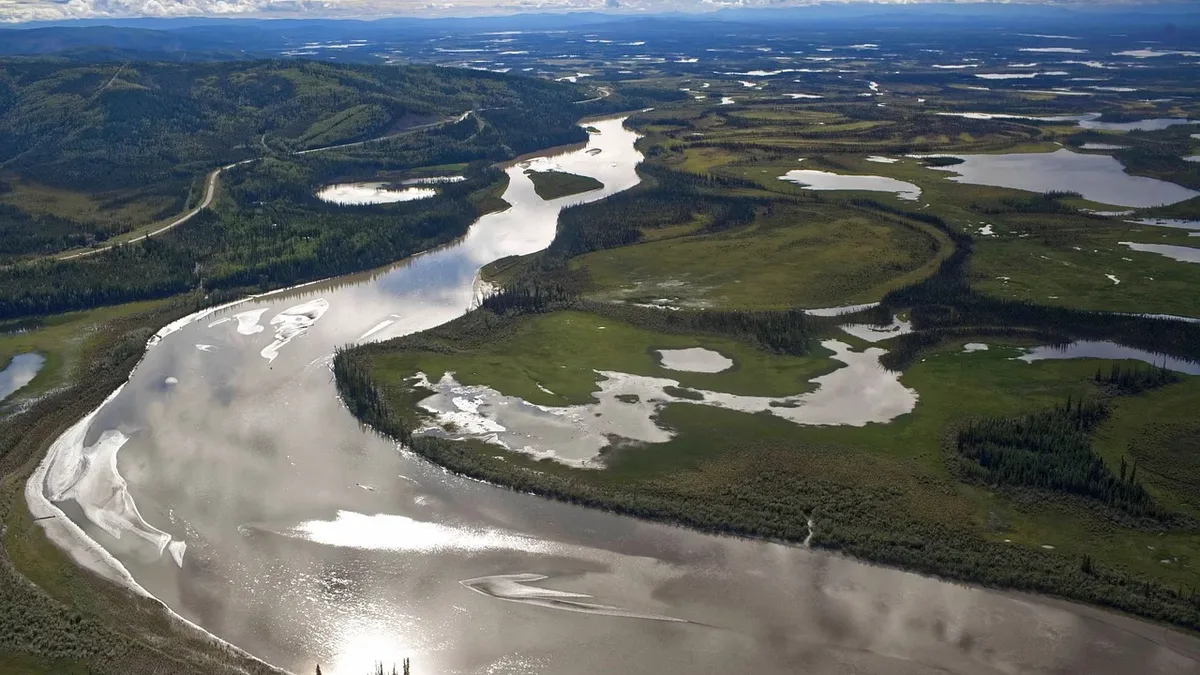
Scientists from the University of California, Santa Cruz led the study. Their analysis of nuclear paleogenomes and stable isotopes has reshaped understanding of Miracinonyx trumani. The findings extend the species' known range by about 20 degrees of latitude farther north. In southern areas like Wyoming and Florida, it lived as a generalist grassland predator. In the Arctic Yukon, it occupied a different role, likely specializing in anadromous fish such as salmon.
Anatomy and Adaptations
Adult Miracinonyx trumani are thought to have weighed about 150 pounds on average. They stood roughly 3 feet tall and measured around 8 feet from head to tail tip. Their slim bodies and long front legs, resembling a modern cheetah's build, may have aided travel in open Pleistocene landscapes. Growing evidence suggests they were versatile hunters, capable of chasing prey on land and using powerful forelimbs to grab and hold it.
"These cats were remarkably flexible, much like pumas are across their range today," said Molly Cassatt-Johnstone, the study's lead author. Genetic analysis revealed loss-of-function mutations in genes regulating circadian rhythms. This suggests adaptation to the extreme light cycles of northern latitudes.
Rethinking an Ice Age Theory
For years, M. Trumani featured in a major ecological theory. Scientists used it to explain the extraordinary speed of the American pronghorn. The "ghosts of predators past" hypothesis held that pronghorns evolved their speed as a defense against a cheetah-like hunter. The new genomic evidence changes that picture. Researchers confirmed M. Trumani was a sister species to the modern puma, splitting from that lineage about 2.6 million years ago. Its cheetah-like build is now seen as a case of evolutionary convergence, where unrelated species develop similar features under comparable pressures.
Genetic Secrets of Survival
To understand survival across diverse habitats, researchers sequenced high-coverage genomes from fossils aged between 23,000 and 31,000 years. The genetic data uncovered features that may have helped northern populations cope with harsh Late Pleistocene conditions. The analysis also revealed an unusual sensory trait. M. Trumani and every felid lineage in the study lacked a functional gene for a receptor involved in detecting sour tastes. This marks the first recorded case of such a genetic inactivation in cats, sometimes linked to specialized diets.
Co-author Matthew Wooller highlighted the animal's adaptability. "This species of carnivore has this massive range, all the way from the Arctic to the Lower 48," he said. "They're demonstrating uber-specialization at two ends of their range, while also feeding on two completely different food sources."
A Gradual Path to Extinction
The study offers clues about the species' disappearance near the end of the Pleistocene. Researchers found low genetic diversity in animals from both Wyoming and the Yukon. Unlike modern pumas, these populations showed no evidence of severe inbreeding or abrupt population bottlenecks. The genetic record points instead to a gradual decline stretching from the early Pleistocene into the late Pleistocene. This long-term reduction may explain why fossils are relatively uncommon and why the cats became increasingly vulnerable.
Senior author Beth Shapiro noted that low genetic diversity alone did not cause extinction. "Miracinonyx persisted for a very long time without the signs of inbreeding we'd expect before a collapse," she explained. "The decline was slow, not sudden, and that may be what left it unable to adapt when the climate shifted." The research was a collaboration with scientists from the University of Alaska Fairbanks, the Yukon Palaeontology Program, and Des Moines University.